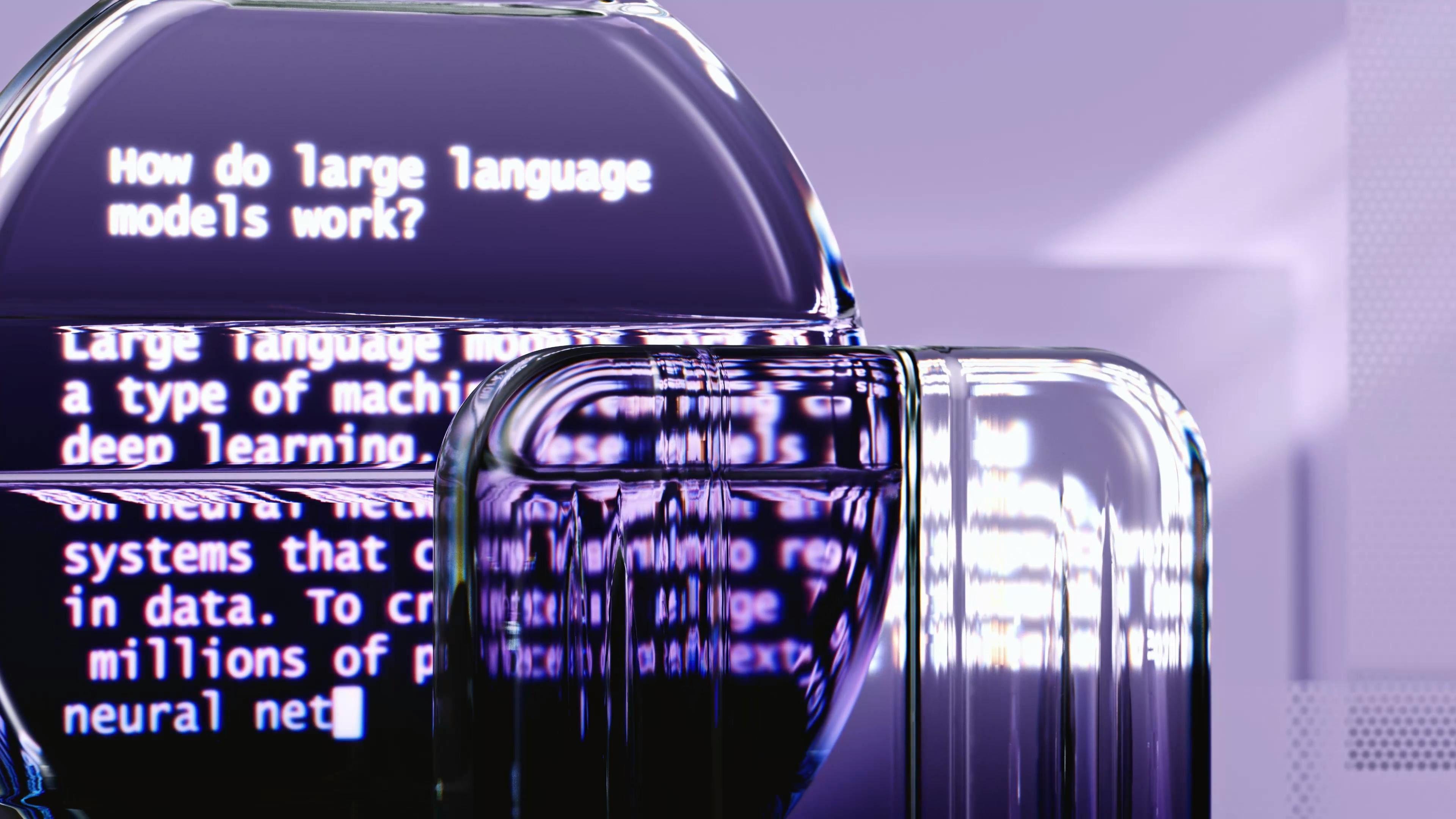
The Rise of AI in UX
Dec 24, 2024Hey, I’m Oladimeji — founder of Amplify & Scale.
I write to help founders, high-impact individuals, and builders design influence and scale ventures that last.
This is where we strip away the fluff and go deep into the systems, stories, and structures that actually move the needle… in your brand, your product, and your leadership.
Today’s topic is long overdue, especially how it applies to recent trends: Balancing Automation with Human-Centred Design.
Welcome to the Amplify & Scale. Your weekly dose of UX insights, actionable strategies, and tools to amplify your brand’s impact and scale unforgettable experiences.
This week, let's explore a transformative force reshaping UX: Artificial Intelligence (AI).
News & Updates
Figma has reintroduced its AI-powered app generator, now called "First Draft," following the removal of its initial version due to controversy over its resemblance to Apple's iPhone weather app. First Draft allows designers to choose from various libraries, ranging from lo-fi wireframe primitives to higher-fidelity visual expressions, providing a dynamic starting point for app designs.

Additionally, the sparkles emoji has evolved into a universal symbol representing AI-powered features in various applications such as Google, ChatGPT, Slack, and Spotify. Design and marketing professionals have widely adopted the emoji, noting its ability to convey the novelty and advanced nature of AI.
The Lesson: Integrating AI Without Losing the Human Touch
-
Generate quick wireframes and prototypes, freeing time for strategic thinking.
-
Personalise user journeys by analysing behaviour patterns.
-
Predict pain points with advanced analytics before users even notice them.
However, pitfalls abound when over-reliance on AI leads to impersonal experiences. The challenge is to let AI do the heavy lifting while keeping empathy and user needs at the forefront.
For example, when we developed FotoPool, we used AI to power image recommendations, ensuring event attendees could easily find their best moments. But the core of the experience—creating connections through shared memories—remained deeply human.
Apply This: Where AI Can Improve Your Product or Service

Here’s a quick exercise to identify where AI can amplify your UX:
-
Map the Pain Points: List out recurring bottlenecks in your workflows or user journeys.
-
Explore AI Solutions: Look into AI tools that address these challenges (e.g., ChatGPT for content, Figma’s AI assist for design).
-
Test Responsibly: Implement AI in small areas, and gather feedback to ensure the technology enhances—not hinders—the user experience.
Remember, AI is a tool, not a crutch. Use it to enhance the magic of your product, not replace it.
Resources
-
Tool: Maze for AI-powered user testing.
-
Article: Designing with AI from UX Magazine.
-
Video: AI Isn't Ready for UX Design by Nielsen Norman Group.
Weekly Recommendations
-
Book: Human + Machine: Reimagining Work in the Age of AI by Paul R. Daugherty.
-
Podcast: UX Podcast – Episode on AI ethics.
-
Tool to Try: ChatGPT for brainstorming design ideas and user personas.
The future of UX isn’t just AI—it’s the intersection of technology and empathy. If we can master this balance, the possibilities are limitless.
Got a project or product that could use some AI-driven UX insights? Let’s chat. Reach out to me at [email protected].
Until next time, keep designing experiences that matter.

